Top Rated Ventura Roofers
Looking for a reliable Ventura roofing professional? Select a fully licensed and insured contractor who knows coastal conditions like salt air and wind, utilizes marine-grade fasteners, SBS shingles, and corrosion-resistant flashings, and checks appropriate attic ventilation. You'll receive a thorough photographed inspection, complete moisture checks for each slope, and clear solutions: repair versus partial replacement. Demand Title 24/code compliance, HOA approvals, itemized estimates, and documented warranties for materials and workmanship. Stay away from high-pressure tactics and unclear quotes. You'll also understand how appropriate timelines, regular communication, and preventive maintenance keep your roof performing at its best.
Essential Takeaways
- Local Ventura specialists utilizing maritime-quality fasteners, rust-proof flashings, and SBS shingles engineered for marine climates including coastal winds, marine air, and severe weather.
- Complete evaluations of roofing components, ventilation systems, and drainage, accompanied by moisture mapping, photos, and clear repair urgency.
- Our repair services range from precise patches to partial replacements, guided by comprehensive evaluations using moisture detection, adhesion testing, and detailed slope analysis.
- Our clear process includes comprehensive quotes, timeline milestones, regular photography documentation, guarantee documentation, and clean jobsite closeout.
- Complete compliance with Ventura building codes, California Code, Title 24, WUI standards, and HOA authorizations to safeguard warranty coverage and future sales.
The Importance of Local Knowledge in Ventura's Coastal Environment
Though many roofers install shingles, an experienced Ventura contractor understands how salt-laden air, coastal winds, morning marine layers, and sudden winter storms punish roofing systems here. You must have specifications tailored to salt exposure and relentless coastal corrosion. An experienced professional utilizes marine-grade fasteners, SBS-modified shingles, and corrosion-resistant flashings, then adjusts underlayments to manage moisture penetration and wind forces. They customize ridge, valley, and parapet changes to prevent capillary action, and they vent attics to balance humidity from marine layers without sacrificing thermal performance.
You'll get maintenance solutions that eliminate salt films, schedule rinses when winds subside, and inspect sealants that deteriorate faster near the coast. When repairs are needed, they phase work around tides, fog dissipation, and coastal breezes to guarantee materials cure and adhere appropriately.
Critical Signs Your Roof Demands Professional Assessment Immediately
It's crucial to handle roof leaks, noticeable sagging, and extensive shingle deterioration as critical indicators for action. Watch out for water marks after rainfall, uneven surfaces, soft spots in decking, and damaged or absent shingles, with granule buildup in gutters. When you notice these signs, book a professional evaluation right away to locate the problem source, protect the structure, and outline necessary repairs.
Ongoing Roof Leakage
When roof leaks occur, they frequently show up as more than just drips-they create patterns. If you see expanding stains, bubbling paint, or discolored ceilings following rainstorms, you're experiencing persistent leaks, not random seepage. Look for attic moisture, musty odors, and damp insulation-these symptoms show water traveling through roof framing. Outside, examine flashing conditions at chimneys, skylights, and wall intersections; cracked or lifted metal components permit water infiltration beneath shingles.
Act quickly. Document all leak locations, then arrange a comprehensive inspection incorporating moisture mapping, specific hose testing, and an assessment of structural components. A qualified Ventura roofing crew will reseal or upgrade failing flashing, repair shingle sections, and tackle ventilation problems leading to condensation. Prompt, targeted repairs stop mold, damaged insulation, and escalating interior repairs.
Dips and Sagging
When you notice a roofline that bows, dips between rafters, or shows a wavy ridge, it's a serious structural warning sign that requires immediate attention. You're likely witnessing structural sagging caused by compromised framing, inadequate rafters, spans that are too long, or water-damaged sheathing. Poor ventilation in the attic makes matters worse by containing heat and humidity that accelerates wood deterioration and fastener degradation.
Act quickly. Arrange a thorough inspection to assess load paths, analyze deflection, and review sheathing, ridge, and truss connections. A experienced Ventura roofing team can shore framing, strengthen rafters, install purlins, or mount ridge beams where calculations indicate. They'll swap out compromised decking, address ponding areas, and restore uniform plane. Finally, enhance attic ventilation with balanced intake and exhaust to regulate temperatures and decrease moisture. Prompt repairs safeguard your home, insurance standing, and resale value.
The Progression of Shingle Damage
Even though a few scattered imperfections may look small, recurring signs of shingle problems point to escalating concerns requiring prompt action. When damage continues to spread, water penetration routes expand, wind vulnerability grows, and the protective underlayment begins to fail.
Watch for telltale warning signs: deteriorating granules causing naked sections, perimeter curling along eaves and rakes, cracks radiating from fasteners, and raised courses resulting from sealant failure. Discoloration patterns may reveal moisture penetration, while compromised areas signal water-damaged decking. If you find shingles out of alignment after windy conditions, the adhesive strip has probably broken, making the roof vulnerable to blow-offs.
Take action now. Document and assess compromised areas on slopes, valleys, and roof penetrations. Our team will complete a comprehensive slope-by-slope assessment, check adhesion levels, examine flashing, and locate moisture entry points. Afterward, we will address ongoing leaks, replace compromised shingles, reestablish effective sealing, and recommend targeted section replacement prior to structural damage occurring.
What to Expect During a Thorough Roof Inspection
Start with a clear strategy: a comprehensive roof inspection begins with a top-to-bottom assessment of structural integrity, safety protocols, and environmental impact. We'll secure ladders, verify anchorage points, and document conditions before climbing onto the roof. We provide a systematic inspection: we examine roofing materials, metal flashing, roof penetrations, and ridge components, identifying weather impact, sun exposure damage, and loose fasteners.
Our inspection includes proper airflow to confirm sufficient ventilation flow, helping avoid moisture and temperature issues. We employ humidity detection to locate water intrusion, thoroughly examining roof systems and barriers for hidden damage. Water management components are assessed for proper slope and blockages. We document all findings with photos and highlight immediate needs. We complete the inspection by discussing risks, timelines, and immediate actions to ensure clear next steps.
Comparing Repair Solutions and Material Options
You'll analyze a targeted patch against a partial replacement by considering the leak's location, deck state, and roof lifespan. You'll then select building materials - metal, shingles, or tile - according to weather resistance, structural load, wind rating, and long-term cost. I'll detail when to use each solution to ensure structural protection, cost efficiency, and maximum lifespan.
Understanding Patches and Partial Replacements
When roofing problems emerge, decide early whether a targeted repair will suffice or if a partial replacement provides more benefits and longevity. You should examine the source of leakage, moisture assessment, structural integrity, and age of nearby components. Quick patching can rapidly stabilize ongoing water infiltration, shield internal areas, and provide time for thorough assessment and insurance claims. Choose spot fixes when problems are isolated, the membrane has considerable life left, and structural elements test sound.
Select partial replacement when inspections show water-logged substrate, deteriorating components, or persistent problems along a specific area. Replacing an complete section reestablishes uniform protection, warranty eligibility, and durable waterproofing. Check air flow and connection points during the installation. Document visual records, core samples, and repair invoices to support claims and guarantee fair coverage.
Shingles, Tile, or Metal
Once determining whether to patch or partially replace the roof, the next consideration involves material selection: shingles, tile, or metal—each providing different repair techniques, pricing, and performance benefits. Opt for asphalt shingles when seeking rapid, cost-effective solutions; we replace loose tabs, repair penetrations, and blend granule shades for seamless repairs. Tile complements Mediterranean homes; we reset cracked pieces, replace underlayment, and verify battens to ensure wind resistance. Metal delivers outstanding durability and energy efficiency; we repair affected panels, reinforce seams, and implement compatible coatings to combat maritime weathering.
Along Ventura's marine coastline, it's essential to select rust-proof hardware and flashing materials. Take time to evaluate load limits, fire protection standards, and attic airflow requirements. Compare long-term operational costs, beyond the initial investment. We're going to outline available solutions, plan maintenance schedules, and arrange maintenance based on your availability and suitable weather conditions.
Getting to Know Building Permits, Local Codes, and HOA Guidelines
Before selecting shingles, consider Ventura's building permit procedures, California Building Code (CBC) regulations, Title 24 energy requirements, and any homeowners association rules that govern roof products, colors, underlayments, and profiles. You can prevent setbacks by confirming permit timelines with the city and verifying whether your work requires structural, sheathing, or electrical reviews. Review recent code changes affecting cool-roof ratings, attic ventilation, and wildfire-resistant assemblies (WUI). Title 24 may mandate reflective roofing, specific insulation values, and required compliance forms.
Get in touch with your HOA as soon as possible for written approval. Send in product data sheets, color samples, and roofing specifications to align with community guidelines. Have ready manufacturer listings, Class A fire ratings, and underlayment specs readily available. Schedule required inspections, maintain site access, and retain final approvals to protect warranties and resale value.
How Reputable Roofers Price Repairs and Provide Estimates
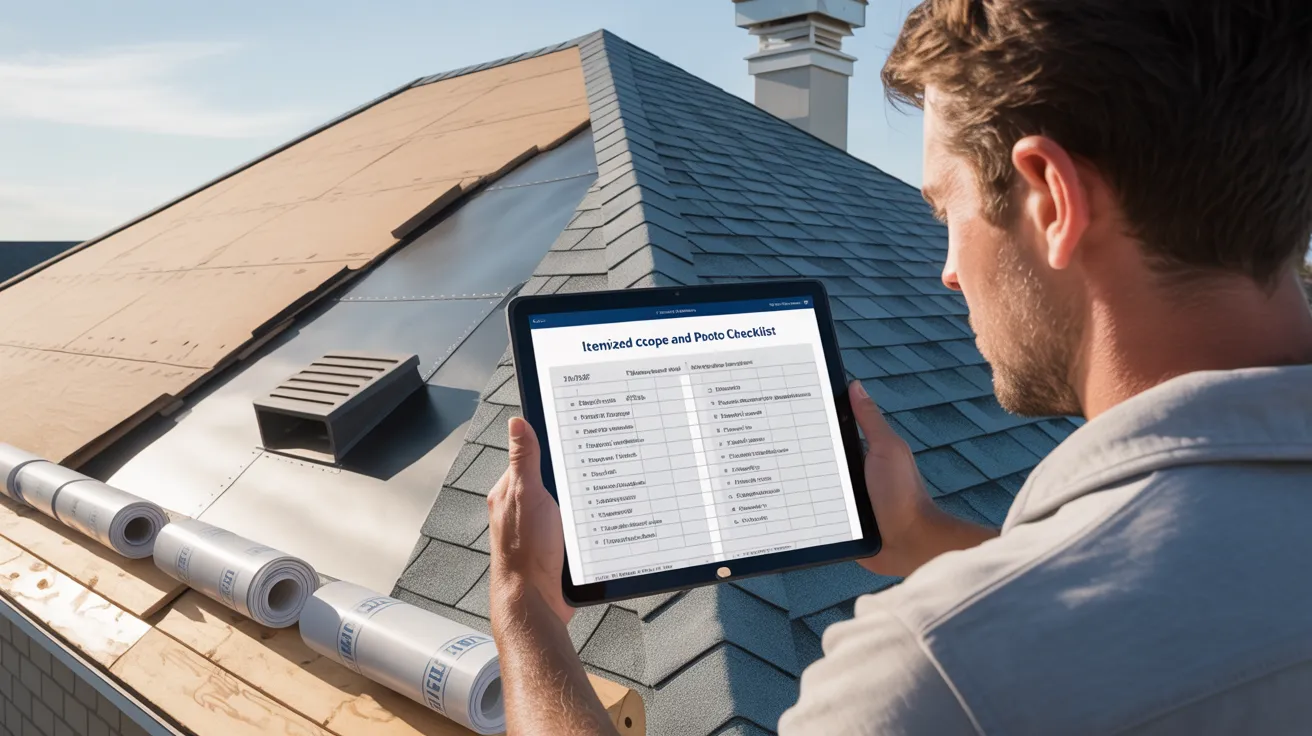
To ensure transparent pricing, reputable Ventura roofers create repair estimates from a clear scope: they evaluate the roof through physical inspection, capture defects with photos, and break down materials, labor, permits, access, and disposal line by line. You'll get itemized material costs for flashing, shingles, sealants, underlayment, and fasteners matched to manufacturer specs. Labor rates account for complexity, crew requirements, safety measures, and timeframe, not vague ranges. Expert roofers specify visit fees for diagnostics, then deduct them if you proceed. They clarify markup policies that include scheduling, insurance, procurement, and overhead, keeping percentages consistent across line items. Access challenges-steep slopes, multi-story lifts, or limited staging-are clearly priced. You'll also get contingencies for deck damage discoveries, modification procedures, and scheduled start date.
Understanding Warranties and Guarantees: A Complete Coverage Guide
Although a new roof should provide many years of reliability, the protection you really get relies on the specific terms of its coverage terms. You usually receive two types: a manufacturer warranty and a workmanship guarantee. The manufacturer's warranty safeguards against defects in roofing products and materials-usually on a prorated schedule-assuming they were installed correctly and had proper ventilation. It doesn't protect against damage from storms, walking on the roof, or lack of maintenance.
Your workmanship warranty includes installation defects such as flashing details, fastening, sealing, and connection points. Make sure to verify the term length, its transferability, and if leak repair coverage includes interior damage. You should inquire about who handles service calls, how quickly they respond, and the process for filing claims. Confirm maintenance obligations and documentation needed to preserve warranty protection. When you have written documentation, you'll know precisely who's responsible for fixes, response timeframes, and who covers the costs.
Warning Signs to Watch for When Evaluating Roofing Contractors
Prior to signing any agreement, watch for concerning indicators of risk: no valid contractor credentials and coverage, ambiguous or single-page estimates without comprehensive details, aggressive marketing approaches like special one-day pricing, and requests for large upfront payments. Always verify the registration status via California's CSLB and insist on insurance certificates listing you as additionally insured. Avoid rushed estimates that bypass site evaluation or omit essential elements like tear-off, underlayment, flashing, and ventilation. Request a comprehensive bid that clearly outlines all components and pricing to prevent hidden charges. Be cautious of non-local vehicles, lack of community presence, or reluctance to follow permit procedures. Confirm the inclusion of written change order processes, lien release documentation, and clear communication channels before approving any work.
Your Complete Repair Timeline Guide: Start to Finish
Begin by aligning project scope, timeline, and team members so each stage progresses smoothly. Outline the challenges, verify resources, and establish site accessibility. Set timeline milestones: site review, cost confirmation, permits, supplies arrival, removal, surface preparation, system installation, completion review, and final inspection. Assign owners to each task so accountability's clear.
Create communication touchpoints. Start with a project initiation call to establish expectations, proceed with a pre-construction meeting to review safety and logistics, and provide daily updates concerning weather, crew status, and progress photos. Record change orders immediately, highlighting impacts on cost and time. Arrange trades and dumpsters to eliminate bottlenecks. Insert weather contingencies into the timeline, and have backup materials on hand.
Conclude with a comprehensive final checklist, warranty handoff, and a final confirmation of site cleaning and payment.
Essential Tips for Maximizing Your Roof's Lifespan
Implement a regular inspection program-every six months and after severe weather-to spot broken shingles, raised flashing, or weak areas before they expand. Maintain gutters and downspouts clear, and clear away roof debris to stop standing water, trim decay, and premature membrane wear. Log each inspection and maintenance so you can schedule repairs and budget proactively.
Regular Inspections Schedule
Routine roofing checkups help prevent simple concerns from developing into expensive repairs and prolong your roofing system's longevity. Set up a maintenance plan for biannual inspections-the first in spring's end and another in autumn's beginning-factoring in Ventura's ocean influence, solar impact, and Santa Ana winds. Throughout each inspection, verify shingle integrity, weatherproofing, openings (vents, skylights), attachments, and attic ventilation. Evaluate underlayment condition at transition points, and search for sun-related deterioration, uplift damage, or deck softening. Plan an quick spot check after severe weather or rooftop maintenance. Document findings with images, track maintenance dates, and track material warranties for complete documentation. Should you observe ongoing issues, schedule a expert assessment to detect concealed water issues or building movement before they worsen.
Gutter and Debris Care
Commonly disregarded, unobstructed gutters and clean roof areas provide essential protection from leaks, rot, and premature shingle failure in Ventura's coastal climate. Coastal breezes and salt spray deposit debris throughout your roofing system, leading here to water accumulation under roofing materials. You'll protect your roof by clearing debris, fallen leaves, and natural materials seasonally and following major weather events.
Add leaf guards to reduce clogging but continue routine checks. Verify downspouts flow properly; attach downspout extensions to channel water 4-6 feet from the foundation. Fasten loose hangers, adjust sagging runs for proper flow, and repair leaking seams. Cut back overhanging branches to minimize debris and abrasion. Flush gutters and downspouts with a hose to confirm unobstructed flow. Note conditions, and arrange professional service for difficult or complex roofs.
Frequently Asked Questions
Can You Provide Emergency Tarp-Over Services for Storm Damage and Leaks?
Absolutely, we deliver emergency tarping solutions when storms or leaks occur. You'll get immediate attention, detailed evaluation, and secure temporary tarps to halt active water intrusion. We place emergency patches near penetrations, valleys, and damaged shingles, and secure edges to resist wind uplift. We document damage, photograph affected areas, and outline next steps for permanent repairs. You can expect precise schedules, product choices, and price quotes, keeping your property secure until full restoration are implemented.
Do You Handle Insurance Claim Documentation With Adjusters?
Of course - we'll work directly with your insurance adjuster to optimize your insurance claim and documentation. We process everything at lightning speed. You'll authorize us, provide your policy details, and we arrange an onsite inspection with the adjuster. We furnish photo evidence, measurement reports, repair scopes, and detailed cost breakdowns following copyright guidelines. We'll track approvals, explain requirements, and keep you updated to ensure your claim is precise, on schedule, and properly documented.
What Payment Options and Financing Plans Are Available for Repairs?
You can choose Flexible Financing with affordable APR choices, short- or long-term terms, and simple online approvals. We also provide Deferred Payments, so you can begin your project immediately and settle the balance when done or throughout the promotional window. You'll get clear cost breakdowns, no prepayment penalties, and multiple payment methods (credit, ACH, checks). We'll bundle upgrades, deductibles, and repairs into one convenient plan and coordinate timing with your insurance disbursements for seamless financial management.
What's the Best Way to Reduce Noise and Debris When You Have Pets and Children?
Our team minimizes construction debris and noise by planning zones and schedules. Imagine this: during a roofing project, you keep pets and children safely contained in a quiet room, install dust containment barriers at entries, and maintain negative-air scrubbers. We position materials away from living areas, maintain soft-drop protocols, and restrict hammering to scheduled quiet periods. Our team shields vents, close off returns, and sweep magnetically at regular intervals. Our team delivers daily progress messages so residents can modify schedules and ensure protection.
Do You Offer Drone Inspections or Infrared Scans for Hidden Leaks?
Yes. You can request Drone inspections and Infrared scans to locate challenging leaks rapidly and without risk. Drones deliver precise imagery over valleys, chimneys, and steep pitches without foot traffic damage. Infrared imaging reveal hidden moisture by reading temperature differentials beneath roofing materials and insulation. You'll receive a detailed analysis with visual documentation, then confirm fixes with a follow-up scan, reducing guesswork, costs, and disruption while guaranteeing lasting, code-compliant repairs.
Wrapping Up
It's clear how regional knowledge, detailed inspections, smart material selections, and airtight permits maintain Ventura roofs fortified against coastal wear. Address issues before they escalate; act while they whisper. Vet contractors, require written warranties, and create a realistic timeline to prevent surprises. With regular maintenance, your roof will be cost-effective-it'll be a fortress. Reach out to a trusted Ventura roofer today, obtain a detailed plan, and guarantee resilient, code-compliant repairs that secure your home for years.